Is Pomade Bad for Your Hair?
Oct 29, 2020
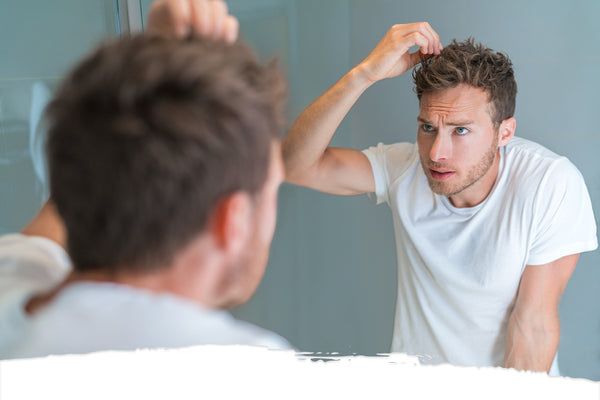
Does Pomade Cause Hair Loss? The Short Answer
Some pomades can contribute to it. Most don't cause it. The difference is almost entirely about two things: what the pomade is made of, and whether it actually leaves your head when you wash. Petroleum and heavy-wax pomades that build up and clog follicles are the real offenders. A well-formulated water-based pomade that rinses clean is not going to take your hairline. Here's the full breakdown - including the part where we tell you when hair loss isn't the pomade's fault at all.
Busting the Myth to Save Your Style
A lot of people believe that pomades dry hair out, cause breakage, and even make your hair fall out. The problem with that theory is that there are different types of pomade with entirely different compositions, so they're not all going to affect your hair the same way. Once you take a closer look at the type of pomade you're using, you can identify potentially harmful ingredients and assess whether your specific pomade is formulated to protect and nourish your hair.
Petroleum-Based Pomades
Petroleum-based (oil/wax) pomades are often made with more "natural" ingredients, but that doesn't mean they're safer for your scalp and hair. Petroleum products and comedogenic ingredients like coconut oil clog pores and cause hair follicles to go dormant and eventually die if they're not properly cleaned out regularly, but oil-based pomades are notoriously difficult to clean out of your skin and hair. The internet recommends soaking your 'do in olive oil before showering, using a specially-formulated shampoo, using Dawn dish soap (bad idea), or just leaving the product in all the time (worse idea). Petroleum product buildup causes allergic reactions, acne, dandruff, and other skin issues that can lead to permanent hair loss. We wrote a whole water-based vs oil-based comparison if you want the long version.
Water-Based Pomades
It's high time for the fear of chemical compound names to be addressed. Do dihydrostilbenoid, butylphthalide, and sedanolide sound like safe chemicals to eat? Because that's celery. Water-based pomades typically use natural moisturizers and nourishing oils combined with scary-sounding synthetic ingredients to achieve the texture and performance you want from a styling product. That's because it's nigh impossible to get adequate performance out of all-natural ingredients (yes, we've tried). The good news is that while these ingredients sound scary (or at least look scary because we can't pronounce all of them), they're non-comedogenic (won't clog and damage follicles) and safe for your skin and hair.
Scary Words (DISCLAIMER: DO NOT EAT POMADE)
For example, Ceteareth-25 is a necessary emulsifier that contains alcohol, mega trigger word for those of us who care about our hair, amiright? But by combining it with vegetable glycerin (humectant, a substance used to improve moisture retention) and hydrating oils like castor, kaolin, and grapeseed, we can counteract any drying action from the alcohol. Our fragrances and preservatives (wince, wince) are not only globally approved for external use, but are also added in such small amounts that you'd probably have to eat several tubs of pomade before you begin to see any side effects. (Again, pomade goes on your head, not in your mouth.)
The Helmet Factor: When It's the Friction, Not the Formula
Here's the part the other articles skip, because the people writing them have never worn an ACH for twelve hours. If you wear a helmet, hard hat, patrol cap, or fire helmet every day, there's a second suspect in any thinning-hair investigation: constant pressure and friction at the same contact points, shift after shift. Chronic tension and rubbing along a band line can break hair and stress the follicles underneath - it's the same mechanical logic as traction alopecia from tight hairstyles, just delivered by a suspension band instead of a topknot.
Why does this end up in a pomade article? Because the pomade usually takes the blame. A guy wears a hard hat ten hours a day, notices thinning at the band line, and throws out his styling product. Wrong suspect. The fixes that actually help: proper headgear fit (grip, not clamp), washing out sweat and product the same day, and keeping the pressure-line hair short. We wrote the full breakdown by headgear type in our cover hair and helmet hair field guide.
And Sometimes It's Neither
Honesty section. The most common cause of hair loss in men is androgenetic alopecia - regular old male pattern baldness, driven by genetics and hormones. No pomade caused it and no pomade cures it, ours included. If your hairline is receding in the classic M-shape or thinning at the crown, talk to a dermatologist, not a styling product. What a good pomade can honestly do: not make things worse (non-comedogenic, washes clean), keep the hair you have healthier with nourishing ingredients, and make whatever amount of hair you've got look like a decision instead of an accident. We'll take that job.
Is Pomade Bad for Your Hair?
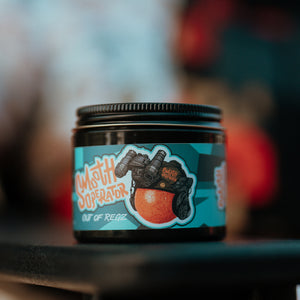
Yes and no. Poorly-formulated pomades that don't protect against dehydration and petroleum/oil/wax-based pomades that clog follicles and don't get washed out regularly are bad for your hair. Bad enough to cause hair loss. Are all pomades bad for your hair? Nope. Is Out of Regz Pomade bad for your hair? Nope. We care about your hair and your style, and we've worked very hard to formulate a line that works how it says it will work, does zero damage, and actually encourages healthy growth and strength with ingredients like bamboo and artichoke extract.
FAQ
Does pomade cause hair loss?
Not by itself, if it's non-comedogenic and you wash it out. Buildup from petroleum-based products that never leave your scalp can damage follicles over time. Genetics, hormones, and chronic headgear friction are far more common culprits than any water-based styling product.
Can I use pomade every day?
Yes - daily use is fine if you wash it out regularly. The rule isn't "use less pomade," it's "don't let any product live on your scalp for days at a time." Sweat plus product plus a sealed helmet liner is a scalp problem on a schedule.
Does pomade cause dandruff?
Buildup can. An itchy, flaky scalp after switching products usually means it isn't rinsing clean or it doesn't agree with your skin. Water-based formulas rinse out with regular washing; heavy oil bases are the ones that hang around causing trouble.
What should I use if my hair is already thinning?
A matte, water-based pomade - matte finish adds visual thickness where shine flattens it - plus a real conversation with a dermatologist if the thinning is progressing. And if you wear headgear daily, fix the fit first.